Responsive Website Design & the Smartphone Market
How the Smartphone Market Has Changed by Eeagli
James Eagle’s video How the smartphone market has changed is a useful reminder that the way people use the web has changed dramatically. The smartphone market moved from early competition among companies such as Nokia, BlackBerry, Apple, Samsung, Sony, HTC, LG, Motorola, Huawei, Xiaomi, Oppo, Vivo, Realme, and others into a modern mobile environment shaped by iPhone, Android, Samsung devices, and a wide range of screen sizes. For blueunderground [ web + design ], that history connects directly to Responsive Website Design and the practical work of creating websites that serve visitors on the devices they actually use.
Responsive web design became essential because the web is no longer viewed primarily on one type of desktop computer. Visitors move between phones, tablets, laptops, desktops, office computers, home computers, and hybrid devices. A business website has to remain readable, usable, and professional as screen sizes, operating systems, browsers, and device expectations change.
The smartphone market also changed user behavior. People search for restaurants, service providers, professional firms, contractors, events, directions, phone numbers, forms, photos, portfolios, and contact information from the device in their hand. Responsive layouts make those visits more useful by adapting navigation, images, forms, calls to action, and content hierarchy to the visitor’s screen.
For businesses and organizations, mobile usability is not only a design preference. It affects whether a visitor can understand the message, find the right page, tap a phone number, submit a form, view a gallery, read an article, watch a video, or request service. Responsive Website Design helps protect those everyday interactions while keeping the website connected to the way people now browse.
Responsive Website Design and Why Smartphones Changed Websites
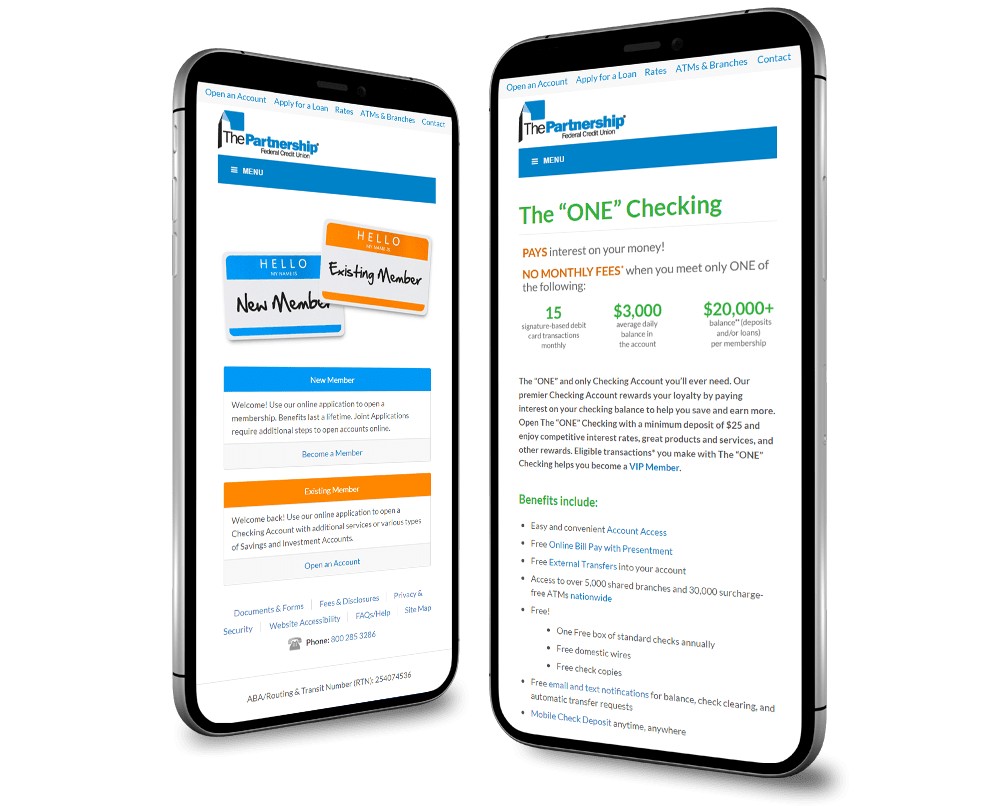 Responsive web design matters because smartphones changed the default expectations for web browsing. A site that once seemed complete because it looked good on a desktop monitor may now feel outdated if it is difficult to use on a phone. The growth of smartphones changed the size of the screen, the distance from the visitor, the input method, the speed expectations, and the urgency of many website visits.
On a desktop computer, a visitor may browse with a large screen, a keyboard, a mouse, and more time. On a smartphone, that same visitor may be standing in a parking lot, riding in a car as a passenger, walking between meetings, sitting in a restaurant, checking a referral, or comparing options quickly. A responsive approach helps the website meet those conditions without requiring a separate mobile site.
Smartphone market history is also a reminder that device dominance changes. BlackBerry and Nokia once played major roles in mobile communication. Apple, Samsung, and Android manufacturers later shaped the market in different ways. Screen sizes changed, touch interfaces improved, mobile browsers matured, and visitors began expecting websites to work smoothly on small screens. Responsive Website Design is a practical response to that long shift.
For blueunderground, responsive design is part of professional website planning. A website should not be created only for a designer’s large preview window. It should be built for visitors who arrive from search, social media, email, maps, referrals, QR codes, and saved links across many mobile and desktop environments.
What Smartphone Market History Teaches Website Owners
Smartphone market history shows how quickly user behavior can change. Devices that once looked permanent can lose market share. New manufacturers can rise. Operating systems can shape the way people browse. Larger screens, faster networks, mobile apps, and better cameras can change what visitors expect from a website. Responsive design helps a website adapt to those changing expectations.
Website owners do not need to study every smartphone trend in detail, but they should understand the larger lesson: people do not experience a website from one standard screen. A visitor may use an iPhone, an Android phone, a Samsung Galaxy device, a tablet, a small laptop, a large desktop monitor, or a browser with accessibility settings. A website that is not responsive may create unnecessary friction in any of those situations.
The smartphone market also changed how quickly visitors judge a website. On a phone, patience is limited. A menu that is hard to open, a headline that wraps awkwardly, a button that is too small, a form that is difficult to complete, or a page that loads slowly can cause a visitor to leave. Responsive Website Design helps reduce those points of frustration without turning the mobile experience into a stripped-down version of the real website.
For a business website, this can affect real outcomes. A restaurant visitor may need a menu or location. A contractor prospect may want to call from a driveway. A nonprofit donor may want to review a program. A professional services client may want to confirm credibility before reaching out. A responsive website helps support those moments by making important information easier to reach.
Mobile Website Design for Real Visitors
Mobile website design is not only about shrinking a desktop page. It is about presenting the right information in a way that works on smaller screens and touch-based devices. Responsive design adapts the structure of a page so visitors can read, scan, tap, and act without unnecessary effort.
A strong mobile experience uses clear headings, readable text, logical spacing, practical navigation, fast-loading images, and visible calls to action. It also respects the way people use phones. A phone number should be easy to tap. A contact form should be manageable. A map link should make sense. A menu should open and close cleanly. Responsive Website Design brings those practical details together.
Mobile website design also has to support different visitor intentions. Some visitors want quick information. Others want to read deeply. Some want to compare services. Others want to call immediately. A responsive page should serve quick scanning and careful reading. That balance matters because mobile visitors are not all doing the same thing.
For blueunderground’s Website Design & Website Development work, mobile planning connects content strategy, visual design, WordPress development, image preparation, navigation, and testing. Responsive web design is strongest when it is built into the website from the beginning rather than repaired after launch.
Responsive Website Design Across iPhone, Android, Samsung, and Screen Sizes
 Responsive Website Design has to account for variety. iPhone and Android devices do not all share the same screen size, browser behavior, keyboard behavior, font rendering, or interface conventions. Samsung phones, Google Pixel phones, iPhones, tablets, foldable devices, and older devices may display the same website in different ways.
This does not mean every device needs a separate design. One well-planned website can adapt intelligently across many conditions. Layouts can stack. Images can resize. Navigation can collapse. Columns can become single-column sections. Buttons can remain easy to tap. Text can stay readable.
Device variety also affects testing. A layout that looks good on one phone may feel crowded on another. A navigation pattern that works on a large phone may feel awkward on a smaller screen. A form that is easy to complete on desktop may be frustrating on mobile. Responsive Website Design helps identify and solve those differences before they affect visitors.
The smartphone market will continue to change. New devices, screen ratios, operating system updates, privacy settings, and browser changes will keep affecting the web experience. A responsive website gives a business a more flexible foundation for that changing mobile environment.
Responsive Website Design and Mobile Website Testing
Mobile website testing is an important part of Responsive Website Design. It is not enough to assume that a responsive layout works because the design preview looks correct. The site should be reviewed across meaningful screen sizes, browsers, and common visitor tasks.
A practical mobile test should include navigation, phone links, contact forms, image galleries, embedded video, menus, page speed, button spacing, footer content, headings, and calls to action. It should also include important service pages, blog articles, portfolio pages, contact pages, and any forms that generate leads or support client communication.
Mobile website testing also helps identify content problems. A paragraph that feels reasonable on desktop may feel too long on a phone. A heading may lose impact if it wraps badly. A button may be too far below the important text. A sidebar may appear in the wrong order. Responsive web design is stronger when content and layout are reviewed together.
For organizations that depend on their websites, mobile testing protects the visitor experience. A visitor should not need to pinch, zoom, guess, scroll past clutter, or fight the page to get information. Responsive Website Design helps make the site feel intentional on the devices people use most often.
WordPress Responsive Design and Website Support
WordPress responsive design matters because many business websites rely on WordPress themes, templates, plugins, page builders, forms, galleries, media embeds, caching, and content-management tools. Each part can affect the mobile experience. Responsive Website Design for WordPress has to consider the full system, not only the visual layout.
A WordPress website may look responsive at launch but develop problems later after a plugin update, theme update, content change, image replacement, form adjustment, or embedded media change. A page section may become too wide. A menu may behave differently. A gallery may load slowly. A contact form may become harder to use. Responsive design benefits from ongoing review.
blueunderground’s WordPress Website Design work includes responsive layouts, content management, practical page structures, and maintainable website systems. A WordPress site should support the public visitor and the people who manage the site after launch.
Ongoing support also matters. blueunderground’s WordPress Maintenance services can help review, maintain, troubleshoot, and support WordPress sites as browsers, devices, themes, plugins, and content needs evolve. Responsive Website Design is more dependable when it is supported over time.
Responsive Website Design and Website Compatibility Testing
Responsive Website Design is closely connected to website compatibility. A responsive layout may adjust to different screens, but the site still needs to work across browsers, operating systems, and devices. That is why responsive design, browser compatibility, and website compatibility testing support one another.
blueunderground’s article on Website Compatibility Testing looks at how operating systems, browsers, devices, and settings affect website performance. That broader compatibility perspective is useful for responsive design because mobile visitors are part of a larger cross-platform audience.
The companion article on Browser Compatibility Website Design focuses on browser behavior. Together, these topics reinforce an important point: a website should not be judged only in one ideal environment. It should be planned, built, and reviewed for the real conditions visitors bring to it.
Responsive Website Design helps answer the mobile side of that challenge. It considers how the same content and functionality should behave across phone, tablet, laptop, and desktop views. Website compatibility testing helps confirm that those responsive choices remain dependable across the platforms visitors use.
Responsive Website Design for Forms, Menus, Maps, and Calls to Action
Some website elements are especially important on mobile devices. Forms, menus, maps, galleries, videos, and calls to action often determine whether a visitor can complete a useful task. Responsive design should give those elements careful attention.
Forms need to be readable and manageable. Labels should be clear. Fields should not feel crowded. Submit buttons should be easy to tap. Confirmation messages should be visible. If a form is central to inquiries, applications, donations, reservations, or appointments, it deserves mobile review.
Menus also need careful planning. A large desktop navigation system may not work well on a phone. A responsive menu should open predictably, show the right choices, and help visitors move through the site without confusion. Responsive Website Design helps simplify the navigation experience for smaller screens.
Maps, phone links, and contact details are also important. Many mobile visitors are ready to act. They may want directions, a phone number, business hours, service information, or a quick way to send a message. A responsive page helps place those actions where they make sense.
Responsive Website Design and User Trust
Responsive Website Design supports user trust because visitors often judge a business quickly on a mobile device. If the site is hard to read, slow to load, or awkward to use, the organization may feel less professional. If the site is clear, fast, and easy to navigate, the business feels more credible.
A responsive website also shows care. It suggests that the organization understands how people actually browse. It respects the visitor’s time and device. It reduces friction between the visitor and the next step. Those details can strengthen the brand even before the visitor reads every word.
Trust is especially important for service businesses, nonprofits, restaurants, contractors, professional firms, associations, and creative organizations. Visitors may arrive with different levels of urgency and familiarity. Responsive Website Design helps the website meet them with a stable and professional experience.
Mobile trust is also connected to consistency. A visitor may first see a company on a phone, return later on a laptop, and then share the site with someone else. A responsive website helps the brand feel connected across those moments.
Responsive Website Design and Website Performance
Responsive Website Design should also consider performance. Mobile visitors may use different connection speeds, device capabilities, and browser settings. A responsive layout can still feel weak if images are too large, scripts are too heavy, or important content takes too long to appear.
Performance affects usability. If a page loads slowly, visitors may leave before they see the content. If images shift while loading, the page can feel unstable. If scripts delay interaction, forms and menus may feel broken. Responsive Website Design should support both layout and speed.
Image preparation is especially important. A website may need high-quality visuals, but those images should be sized and optimized appropriately. Mobile visitors should not have to download unnecessarily large files just to read a page or view a project. Responsive Website Design works best with thoughtful image handling.
Performance also affects long-term maintenance. New images, videos, plugins, tracking scripts, and content sections can change how a page behaves. A responsive website should be reviewed as it grows so that mobile performance remains strong.
Responsive Website Design Checklist
A useful Responsive Website Design review should include the homepage, primary service pages, contact forms, navigation menus, embedded videos, image galleries, mobile layouts, phone links, buttons, and important calls to action. The review should focus on whether visitors can understand and use the site on real devices.
For a WordPress site, responsive review should also include theme templates, plugin-dependent features, page-builder sections, form confirmations, caching behavior, image optimization, responsive breakpoints, and post-update review. These areas often create the differences visitors notice.
For an older website, this kind of review can identify issues created by desktop-first layouts, outdated code, crowded menus, small text, hard-to-tap buttons, oversized images, slow media, or forms that no longer work cleanly on mobile devices.
For a new website, Responsive Website Design should be part of planning, design, development, testing, launch review, and ongoing maintenance. When this work is included from the beginning, the finished site is more likely to feel stable and professional across phones, tablets, laptops, and desktop screens.
- Readable content that adapts cleanly from desktop screens to mobile devices.
- Contact forms and lead-generation paths that remain easy to use on phones and tablets.
- Mobile navigation, buttons, maps, and phone links that support quick visitor action.
- WordPress layouts that continue to work after content, plugin, and theme updates.
- Older websites brought closer to current mobile expectations.
- A more dependable public-facing website experience for prospective clients, customers, and supporters.
Why Responsive Website Design Belongs in Website Planning
Responsive Website Design belongs in website planning because every website serves people across varied devices. Visitors may arrive from search, email, social media, referrals, bookmarks, QR codes, maps, ads, or direct links. They may use a new phone, an older phone, a tablet, a company laptop, a desktop monitor, or accessibility settings that change how the site behaves.
A professional website should be prepared for that variety. It should not assume one device, one browser, one operating system, or one perfect screen size. Responsive Website Design helps confirm that the website remains readable, functional, and credible across the conditions that matter most.
James Eagle’s smartphone market video is a reminder that mobile technology changes constantly. The history of the smartphone market shows how quickly familiar brands, devices, and user habits can shift. Websites need the same long view. They should be designed, developed, and maintained with enough flexibility to keep serving visitors as the mobile environment evolves.
More from Eeagli and James Eagle Films is available at youtube.com/jameseaglefilms. For blueunderground, the larger lesson is practical: website design should account for the real devices people use, the changes those devices introduce, and the ongoing support needed to keep a website working well over time.
![blueunderground [ web + design ]](https://blueunderground.com/wp-content/uploads/2023/12/blueunderground-logo-2023-footer.svg)
