Flat Logo Design: When Simple is Better
The Composition of a Flat Logo Design
Flat logo design may be here to stay, or it may simply be one of the most influential design trends of the last decade. Either way, flat design has had a lasting impact on website design, graphic design, branding, app design, and logo design. Its clean visual style can be seen across digital platforms, corporate identities, mobile interfaces, social media graphics, and WordPress websites.

At its best, flat logo design is simple, crisp, flexible, and direct. It removes unnecessary visual effects so the viewer can focus on the essential parts of a brand identity: the typography, the shape, the color, the spacing, and the idea behind the design.
Flat design is not entirely new, and it was not invented by one company or one operating system. However, it became much more visible in digital design during the early 2010s. Microsoft helped popularize a clean, tile-based visual language through Windows Phone and Windows 8, moving away from glossy buttons, realistic icons, glare effects, and heavy three-dimensional styling. That shift reflected a broader change in digital design. Rather than trying to make screen-based graphics look like physical objects, designers began embracing a more authentically digital visual style.
This was a significant change from the earlier era of web and interface design. For years, digital graphics often imitated real-world materials. Buttons looked shiny and raised. Icons looked like physical objects. Logos and interface elements frequently used bevels, shadows, gradients, reflections, and textured effects to create a sense of dimension. Those techniques could help users understand what was clickable or interactive, but they could also make designs feel busy, dated, or overly decorative.
Flat design moves in the opposite direction. It relies on simplified shapes, clean typography, strong contrast, intentional color, and careful use of negative space. A flat logo does not depend on shadows, complex gradients, bevels, feathered effects, reflections, or simulated depth. By reducing visual noise, flat logo design can make a brand mark easier to recognize and easier to use across many different applications.
Above is the logo blueunderground created for IM Autohaus. It is a useful example of how flat logo design can communicate clearly without relying on decorative effects. The design depends on proportion, spacing, typography, and a direct visual relationship between the logo elements. The result is clean, practical, and adaptable.
That adaptability is one of the main reasons flat logo design remains valuable. A strong flat logo can work across a website header, business card, vehicle graphic, sign, social media profile, online advertisement, email signature, and printed marketing piece. Because the logo is not dependent on subtle shadows or detailed effects, it can often reproduce more clearly at small sizes and in different formats. This matters more than ever because a brand identity may need to appear on a large desktop monitor, a mobile phone, a Google Business Profile, a map listing, a WordPress website, or a small social media icon.
However, flat design is not the same as plain design. In fact, simple design often requires more discipline. When decorative effects are removed, every decision becomes more important. The spacing has to be right. The type has to be well chosen. The color palette has to support the brand. The mark has to remain recognizable when it is reduced, reversed, printed, embroidered, or displayed on screen.
There is also a practical caution. Flat design can be beautiful and effective, but interface design still needs clear visual cues. Google’s Material Design guidance for buttons emphasizes buttons as elements that help people take action, such as submitting, sharing, or selecting something. In website design, users still need to understand what is clickable, what is static, and where they should take action. A clean visual style should never make a website harder to use. The strongest design work balances simplicity with clarity.
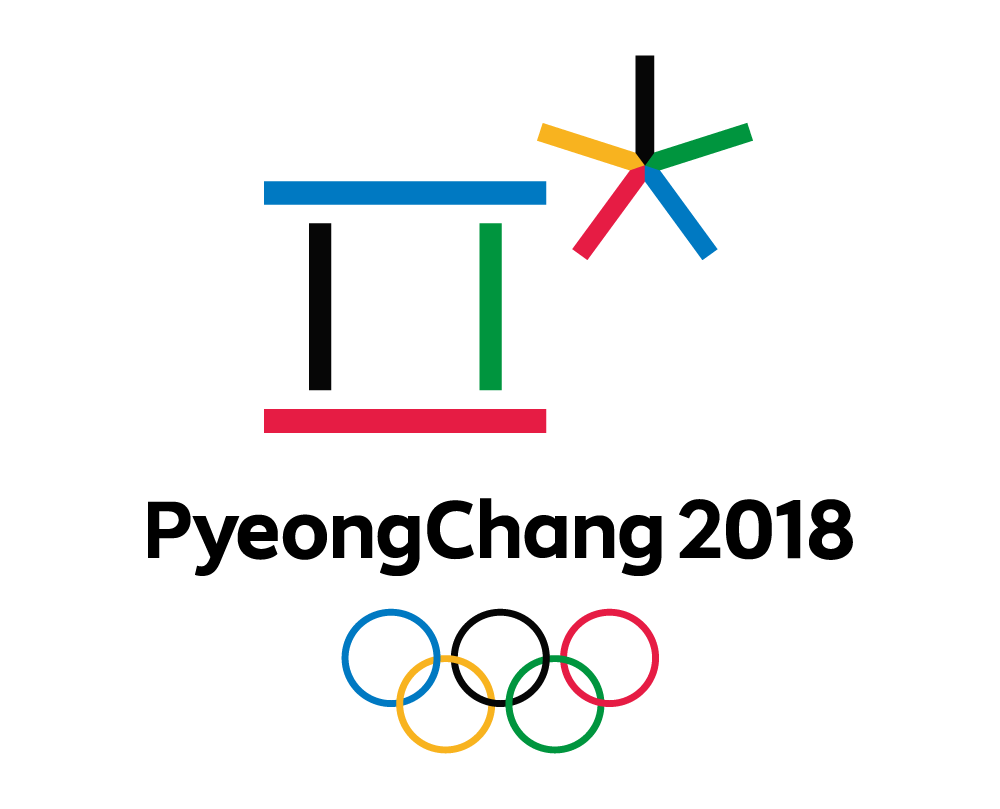
The logo for the 2018 Winter Olympic Games in PyeongChang is another example of flat logo design principles in action. The emblem uses simple geometric forms, flat color, and symbolic meaning rather than dimensional effects. According to the official Olympics page about the PyeongChang 2018 logo design, the emblem represented a global gathering in celebration of Olympic winter sports. That is an important reminder that flat design does not have to be empty or purely decorative. A simple mark can still carry meaning, identity, and cultural significance.
For businesses, nonprofits, foundations, agencies, and organizations considering a new visual identity, flat logo design can be an effective approach because it supports clarity, flexibility, and long-term usability. It can help a brand look modern without relying on effects that may quickly feel dated. It can also make the logo easier to use across website design, graphic design, branding, signage, and marketing materials.

The Museum of Bags logo is another blueunderground example of flat logo design. The mark uses simple shape, color, and proportion rather than shadows, gradients, bevels, or simulated depth, making it flexible for print, web, signage, and related brand applications.
Whether flat logo design remains dominant or gives way to another visual trend, flat logo design has already had a significant influence on branding, website design, app design, and visual identity. It has reminded designers and clients that strong design does not need to be complicated. A logo does not need glare, bevels, reflections, or three-dimensional effects to feel professional. Sometimes the strongest identity is the one that removes distractions and focuses attention on the essential idea.
Read more about logo design and see blueunderground’s portfolio of logo designs for additional examples of custom logo design, brand identity, and flat logo design.
![blueunderground [ web + design ]](https://blueunderground.com/wp-content/uploads/2023/12/blueunderground-logo-2023-footer.svg)

